

Here we will show you how to use backpack sprayer for pest control. Pests can cause a lot of damage to a business facility or a home. When left untreated, the damage could continue to get worse and cost valuable time and resources to fix. One effective way in controlling pests and mitigating further damage is using a backpack sprayer.
Backpack sprayers are simple to use and are one of the most popular types of pesticide applicators around, but they are a tool that require specific knowledge to operate. It is important to know how to properly use a backpack sprayer to make treatments as effective as possible. Here is our step-by-step guide on how to use a backpack sprayer for pest control:

1. Read the instruction manual.
Before using the backpack sprayer for the first time, go through the operator's manual and thoroughly read the instructions. Make sure you understand how to put together, operate, and clean the backpack sprayer.
2. Inspect the equipment
Before each use, check the equipment to make sure that there are no leaks in the sprayer hose, nozzles, wand, or tank. All these parts should be in good working order to ensure your treatment is accurate and effective. By cleaning your equipment regularly, you help ensure that it continues to function properly for years.
3. Wear personal protective equipment
It is important to wear protective clothing and equipment when spraying chemicals. As you likely know, or will learn through your state pest control certifications, the chemical label is the law! Always wear the required personal protective equipment as outline on the label to protect yourself. Personal protective equipment includes but is not limited to unlined chemical resistant gloves, body covering, protective footwear, wide brim headwear, goggles, face shields, and respirators.
4. Clearing the treatment area
Before spraying, you should remove debris from the treatment area such as cobwebs, sticks, leaves and more. Check for webs around doors, windows, and pipes, air conditioning units, and outdoor furniture. Don’t forget areas that are hidden, such as behind dustbins and under doormats may need attention!
5. Prepare your pesticides
Before you can start using your backpack sprayer, you'll need to prepare the pesticides. Each pesticide might require a different level of concentration in making the final solution. Be sure to follow the pesticide label exactly! Generally, you'll want to mix the concentrate with water in a separate container before transferring to the backpack sprayer’s tank.
6. Put on the backpack sprayer
Now that your backpack sprayer is ready with your solution, you are ready to get the sprayer on. First, if you are not comfortable lifting the sprayer and putting it on in one step, find a table to stage the sprayer on. Once the sprayer is on the table, you can slide your shoulders through the straps to effortlessly get the sprayer onto your back. Following, tighten the straps so the backpack sits high and flush against your back. Wearing the backpack too low may cause low back pain and discomfort, so it is extremely important to get this step right.
7. Use the right nozzle
Next, you will need to choose the right nozzle for your application. The most common types of nozzles are adjustable cone, pin stream and fan stream. The adjustable cone nozzle is a versatile option that allows the user to change from a pin stream to a cone spray pattern. The pin stream nozzle is as it sounds and is a tight straight pattern. This type of nozzle is commonly used to reach high up areas. Lastly the fan stream nozzle provides a wide spray pattern is one of the most used in pest control applications.
8. Spray with intention
To spray with intention, you should first understand the treatment area. When treating a structure, start by spraying the base of the building. Don’t forget to spray under furniture, equipment pipes and cracks where you believe there is pest activity.
If possible, avoid spraying chemicals on areas that will be in use immediately after spraying. Always read and follow the labels “re-enter” instructions when treating areas that have human activity.
When spraying bushes, look for ant colonies and spray them thoroughly. Spray all over the plants and ensure enough pesticides have been applied. It’s also important to inspect the entire site after spraying to ensure that no spots have been missed.
9. Clean the equipment after use
Once you are done spraying, it is necessary to thoroughly rinse the tank, pump, hose, gun and nozzle in accordance with your sprayer’s manual.
Final Thoughts
Pest control is an essential part of keeping your home or business safe. One of the most effective and simple ways to control pests is by using a backpack sprayer to apply pesticides. Backpack sprayers are easy to operate and can be very effective.
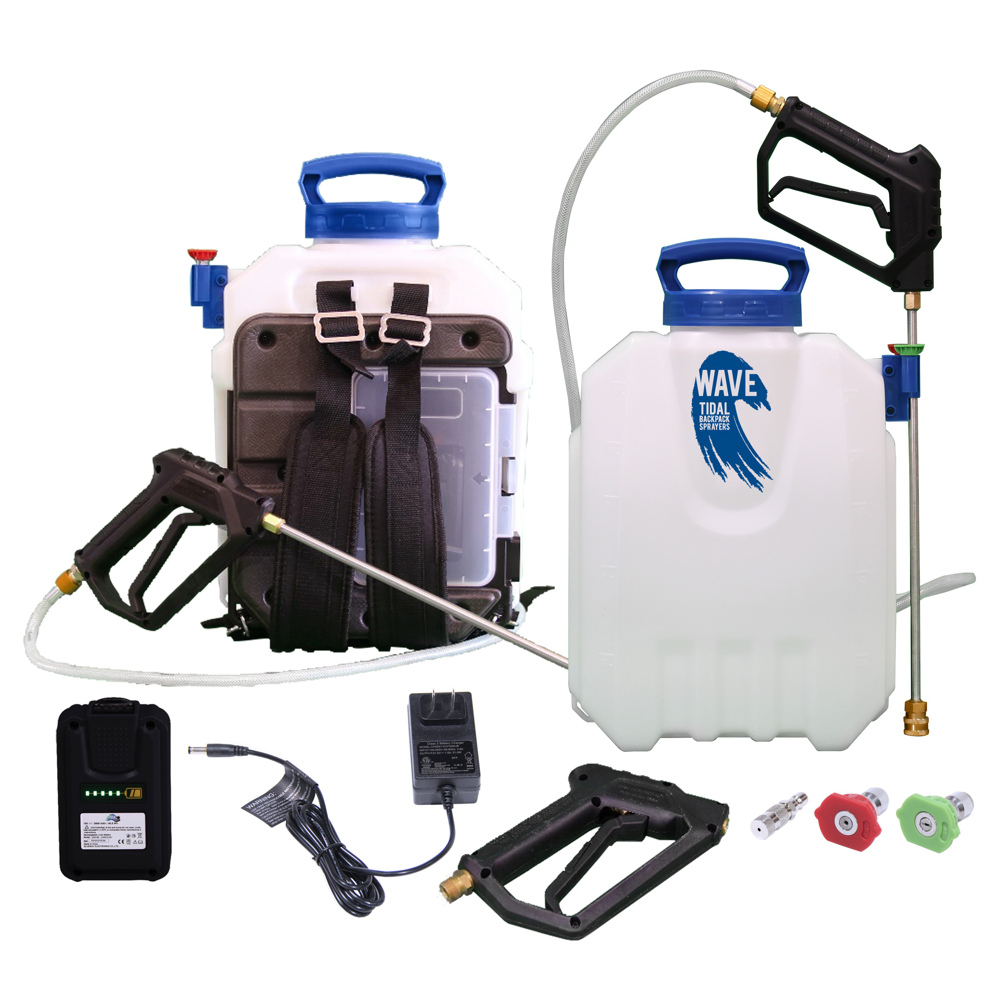
Armed with this information and a backpack sprayer, you can keep your business or home free from pests. If you are currently in the market for a backpack sprayer, click the button below to shop from our new “TIDAL” line of backpack sprayer for pest control.